

In the United Kingdom, numerous homeowners are often keen to extend their property, yet are understandably wary of the planning permission process. However, under the Permitted Development Rights, certain types of extensions can be built without seeking this approval, within specific size limits.
These rules, while beneficial, can be complex and nuanced, with different restrictions based on extension type and property location. Therefore, it is essential to comprehend these regulations to avoid potential pitfalls, and to maximize the potential of your property expansion, within the bounds of the law.
Key Takeaways
- Single-storey rear extensions have specific depth limits, but these can be doubled under the Larger Home Extensions scheme.
- Multi-storey extensions' height must not exceed the existing property's roof and materials should match the existing appearance.
- In conservation areas, extensions must maintain architectural consistency, using traditional or similar materials.
- Successful extensions require awareness of local permissions, clear financial planning, and the employment of experienced architects.
Understanding Permitted Development Rights

In the context of UK property law, Permitted Development Rights refer to specific types of work that can be carried out on a property without the need for obtaining a formal planning permission. The primary intention behind these rights is to streamline the development process, enabling property owners to execute minor modifications and improvements without dealing with the usual bureaucratic red tape.
This provision, however, does not imply a carte blanche for property development. There are particular parameters and limits defined in the legislation that determine what falls under Permitted Development Rights. Most significantly, this encompasses specific categories of minor improvements and alterations, such as certain types of extensions, loft conversions, and changes in the use of buildings or land.
Nonetheless, Permitted Development Rights incorporate a dynamic approach to property law, reflecting the need for adaptability in the face of changing architectural trends and societal needs. This regulatory flexibility can pave the way for creative, innovative solutions in property development, opening up new possibilities for property owners while maintaining a balance with the wider community interest and environmental considerations.
Size Limits for Single-Storey Extensions
While Permitted Development Rights indeed offer a degree of flexibility, they incorporate specific size limitations for single-storey extensions that property owners must adhere to. These regulations are an essential aspect of ensuring that your project aligns with the legal perimeters, leading to an efficient and hassle-free construction process.
Under the current UK regulations, the maximum depth for a single-storey rear extension is three metres for an attached house and four metres for a detached house. However, these limits can be doubled under the Larger Home Extensions scheme, subject to a Neighbour Consultation Scheme. The extension must not be higher than four metres in total height and no more than half the width of the original house.
For side extensions, the maximum height is four metres and the width should not be more than half of the original house. Additionally, it should not include any verandas, balconies, or raised platforms.
Understanding these dimensions is pivotal to your innovative extension plans. It enables you to design a space that not only complies with legal restrictions but also maximizes your property's potential, creating a novel, functional space that enhances both your home and lifestyle.
Restrictions for Multi-Storey Extensions
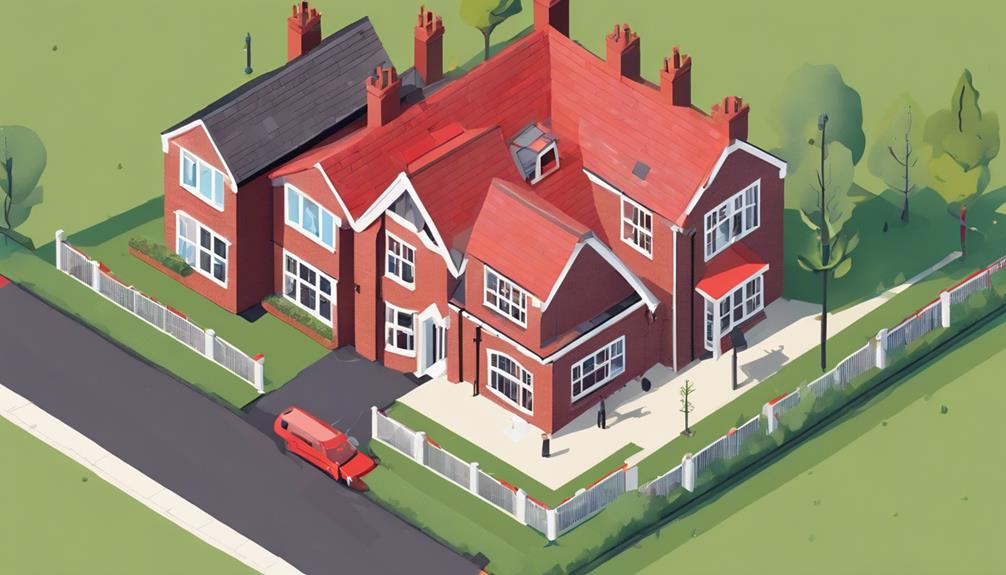
Delving into the regulations surrounding multi-storey extensions, it becomes apparent that these projects, while potentially transformative for a property, must adhere to a more stringent set of guidelines. It's important to understand these restrictions to guarantee any planned extension remains within the law and to avoid unnecessary complications or expenses.
- The extension must not exceed the height of the existing property's roof. This rule is designed to maintain consistency in neighbourhood aesthetics and limit potential negative impacts on surrounding properties.
- The extension should not be forward of the principal elevation or side elevation fronting a highway. This ensures that the streetscape is not overly disrupted.
- The materials used in exterior work should be similar in appearance to those used in the construction of the existing property. This restriction ensures that the extension blends harmoniously with the existing structure.
Fundamentally, while multi-storey extensions offer exciting possibilities to transform and innovate within your property, it's essential to ensure these ambitions align with the established guidelines. By understanding and respecting these restrictions, property owners can harness the potential of their properties while maintaining a harmonious relationship with the surrounding community.
Extension Rules for Conservation Areas
For properties located within designated conservation areas, there are additional regulations governing extensions to guarantee the preservation of these unique and historically significant environments. To promote the harmonious blend of the old and new, the local planning authorities (LPA) have set forth specific guidelines that are innovative in their approach to conservation.
The following table provides an overview of three key areas of focus:
| Criteria | Description | Implication |
|---|---|---|
| Architectural Consistency | Extensions should be in line with the existing architectural style. | Old and new structures should coexist seamlessly. |
| Material Selection | Use of traditional or similar materials is encouraged. | This ensures the extension does not detract from the historic setting. |
| Size and Proportion | The extension should not dominate the original structure. | It maintains the character and scale of conservation areas. |
It is essential to bear in mind that these rules are not to stifle creativity, but to foster a respect for the past while encouraging innovative design. Engaging with an architect who is experienced in working within these parameters can ensure a successful and compliant extension.
Avoiding Potential Extension Pitfalls
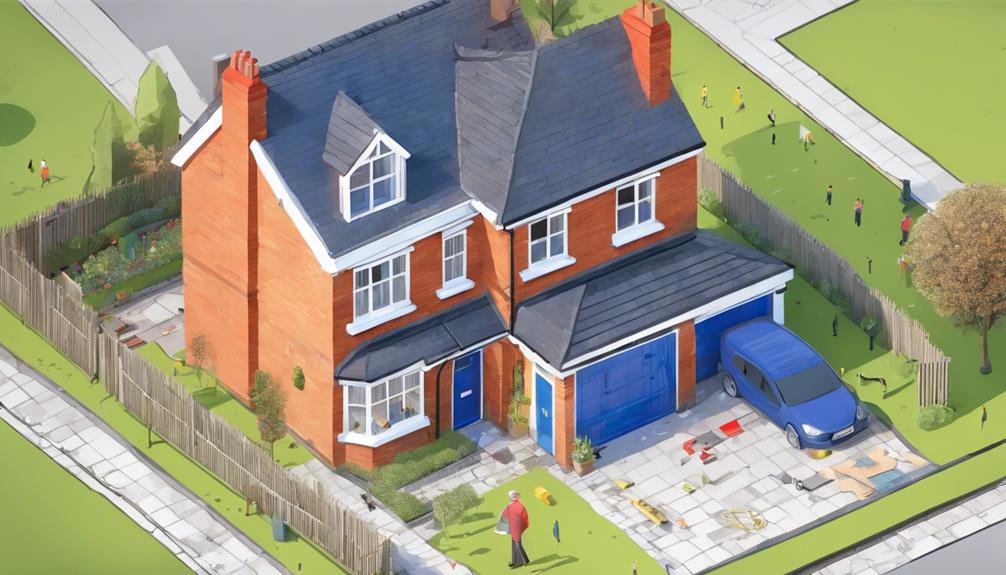
Commonly, homeowners encounter various pitfalls when planning for an extension, which can be avoided with careful consideration and informed decision-making. These challenges range from legalities, budget mismanagement, to improper design. By understanding these potential pitfalls, homeowners can steer clear from costly mistakes and efficiently manage their extension projects.
Here are three fundamental pitfalls to avoid:
- Overlooking legal permissions: Planning permissions and building regulations vary across the UK. It is essential to be aware of the specifics in your locality to avoid legal complications.
- Mismanagement of budget: A clear financial plan is important in any extension project. Underestimating costs can lead to financial strain and incomplete projects.
- Inappropriate design: The design should not only be aesthetically pleasing but also functional and in harmony with the existing structure.
Innovative solutions like employing experienced architects, using modern construction technology, and leveraging digital tools for project management can help homeowners avoid these pitfalls. Remember, the success of your extension project relies on diligent planning, informed decisions, and adherence to legal regulations.
Frequently Asked Questions
What Are the Costs Associated With Building an Extension Without Planning Permission in the Uk?
In the UK, constructing an extension without planning permission can lead to significant costs. These are not just monetary, but also legal repercussions. The exact charges vary, depending on the size and location of the extension.
Failure to comply can result in enforcement action, requiring the demolition of the extension, legal costs, and potential devaluation of the property. It is highly advisable to seek appropriate planning permission before starting on such a project.
How Does Building an Extension Without Planning Permission Impact Your Home Insurance?
Building an extension without planning permission can have a major impact on your home insurance. Unauthorized extensions may not be covered under your existing policy, leaving you financially vulnerable in case of damage.
Additionally, insurers may refuse to renew your policy, citing non-compliance with planning permissions. If you sell your property, lack of planning permission can lead to legal disputes, depreciating your home's value.
Therefore, always seek necessary permissions before building an extension.
Can I Build an Extension on a Property That Is Not My Main Residence Without Planning Permission?
In the innovative domain of property development, the question of extending a non-primary residence without planning permission often arises.
In the UK, the Permitted Development Rights allow certain minor developments without formal planning permission. However, these rights primarily apply to your principal abode.
For non-primary properties, acquiring planning permission is typically mandatory before any extension work commences. This helps maintain architectural harmony and prevents potential legal consequences.
What Legal Consequences Could I Face if I Build an Extension Without the Necessary Planning Permission?
Building an extension without the necessary planning permission can lead to severe legal consequences in the UK. These may include enforcement action by local authorities, requiring you to demolish the extension.
It can also impact the sale of your property, as lack of planning permission is revealed during conveyancing. To foster innovation, it's critical to navigate and comply with planning regulations, turning constraints into creative design opportunities.
Are There Specific Materials or Construction Methods That Are Prohibited When Building an Extension Without Planning Permission?
In the adventurous domain of home extensions, there aren't specific construction methods or materials outrightly banned. However, certain guidelines must be followed for unauthorised builds.
It's important to make sure that your extension doesn't obstruct or endanger neighbours, and materials used should be similar in appearance to the existing house. Innovatively utilising permitted materials can lead to impressive results, while adhering to UK building regulations.